
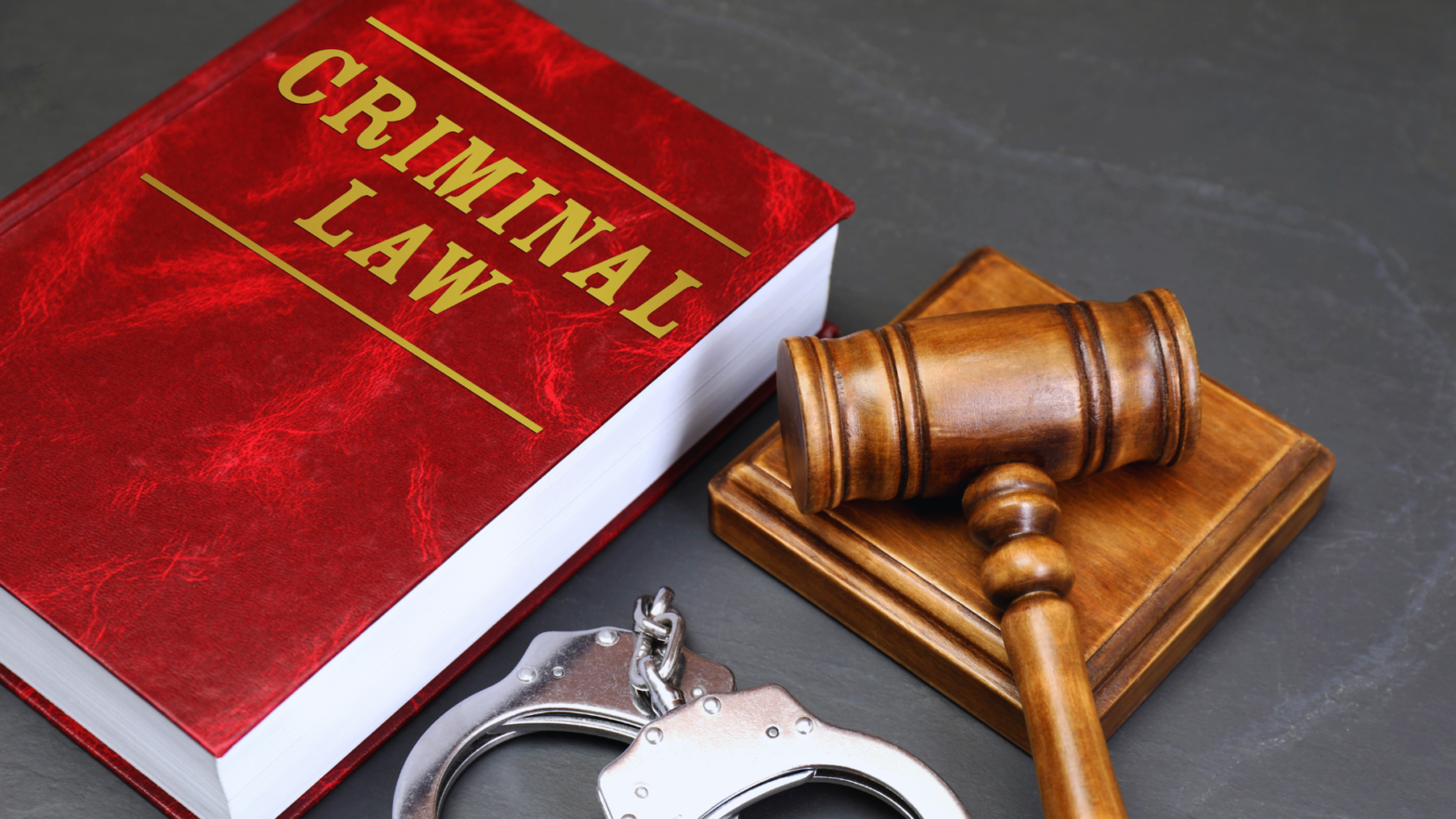
Understanding criminal law basics means grasping the essential principles that define what constitutes a crime, the roles of the parties involved, and the typical process followed in the justice system. Criminal law focuses on actions that are offenses against the state or society, with set rules about guilt and punishment.
Knowing how crimes are classified and what rights individuals have during investigations and trials helps demystify the legal system. This knowledge is important whether you are studying law, involved in a case, or just want to be informed about how the system works.
Breaking down the concepts into simple parts allows for a clear picture of responsibility, evidence, and legal consequences. This foundation can guide a better understanding of more complex legal topics.
Definition and Purpose of Criminal Law
Criminal law sets the rules and consequences for acts considered offenses against society. It establishes what behaviors are illegal and how those who commit crimes are punished or rehabilitated.
What Is Criminal Law?
Criminal law is a body of law that defines offenses deemed harmful to public order or safety. It regulates crimes like theft, assault, murder, and fraud. These laws are enforced by government agencies, and violations result in prosecution by the state.
The focus is on protecting society by deterring wrongful actions and ensuring justice through a legal process. Punishments can include fines, imprisonment, probation, or community service. The law requires proof “beyond a reasonable doubt” to convict a defendant.
Purpose of Criminal Law
The primary purpose is to maintain social order by preventing harmful behavior. It acts as a deterrent, signaling consequences for specific actions.
Criminal law also serves to punish offenders, discouraging them and others from committing crimes again. Additionally, it aims to rehabilitate criminals where possible, supporting their reintegration into society.
It protects victims and upholds the rule of law by ensuring fairness and accountability. Through clear definitions and procedures, criminal law balances individual rights with public safety.
Criminal Law vs. Civil Law
Criminal law deals with offenses against the state or society. The government prosecutes the accused, and punishments usually involve penalties like incarceration or fines.
Civil law handles disputes between private parties over rights and obligations. Common cases include contracts, property, or personal injury claims.
Key differences include:
- Standard of proof: Criminal cases require “beyond a reasonable doubt”; civil cases need a “preponderance of evidence.”
- Outcomes: Criminal cases can lead to imprisonment, while civil cases typically result in monetary compensation or injunctions.
- Parties involved: The state brings criminal cases, whereas individuals or entities file civil lawsuits.
Core Principles of Criminal Liability
Criminal liability is based on specific legal requirements that determine when a person can be held responsible for a crime. It depends on both the nature of the act committed and the state of mind during the act. Understanding these principles helps clarify how the law assigns blame and punishment.
Elements of a Crime
A crime is typically composed of two main elements: actus reus (the guilty act) and mens rea (the guilty mind). Actus reus refers to the physical action or conduct that breaches the law. It must be voluntary to constitute a criminal offense.
Mens rea reflects the defendant’s mental state at the time of the crime. It shows intent, knowledge, recklessness, or negligence. Both elements must usually be proven beyond a reasonable doubt for criminal liability.
Some crimes require additional elements like causation or harm occurring as a direct result of the act. Without these, the prosecution’s case may fail.
Mens Rea and Actus Reus
Mens rea is the mental requirement that shows a person’s culpability. It can range from intentional wrongdoing to careless conduct. For example, intending to cause harm shows a stronger mens rea than acting negligently.
Actus reus is the physical performance of the prohibited conduct. It can be an action, a failure to act when there is a duty, or even a state of being in some cases. The act must be voluntary; involuntary actions do not meet this requirement.
Both mental and physical components must coincide. If the act occurs without the required mental state, there may be no criminal liability. This connection is crucial in criminal trials.
Strict Liability Offenses
Strict liability offenses do not require proof of mens rea. The defendant can be held liable based only on the commission of the actus reus. These typically involve regulatory or public welfare laws.
Examples include traffic violations and selling alcohol to minors. The rationale is to promote higher standards of care and protect public safety.
Although mens rea is absent, defenses like mistake of fact may still be relevant, depending on the jurisdiction. Strict liability reduces the defendant’s ability to avoid punishment by claiming they lacked intent.
Types of Criminal Offenses
Criminal offenses are categorized by their severity, legal consequences, and procedural handling. Distinctions affect sentencing, court processes, and how law enforcement approaches cases.
Felonies vs. Misdemeanors
Felonies are the most serious crimes, often punishable by more than one year in prison or by death in some jurisdictions. Examples include murder, rape, and armed robbery. Convictions often lead to long-term imprisonment, significant fines, or both.
Misdemeanors are less severe offenses, usually punishable by up to one year in county jail or fines. Common examples include petty theft, simple assault, and some traffic violations. Misdemeanors can still carry lasting consequences like probation or community service.
The distinction affects legal rights, such as jury trial eligibility and appeal options. Felony records typically restrict voting rights and firearm ownership, while misdemeanor records may not.
Infractions and Summary Offenses
Infractions are minor violations, often punishable only by fines without jail time. Traffic tickets and littering are common infractions. They generally do not require court appearances unless contested.
Summary offenses are similar to infractions but can carry short-term jail sentences. These are handled swiftly in lower courts without a jury trial. Examples include minor disorderly conduct or certain public nuisance violations.
Both infractions and summary offenses usually do not result in criminal records, but repeated offenses might escalate to more serious charges.
Inchoate Crimes
Inchoate crimes are incomplete or preparatory offenses, punished because they anticipate more serious crimes. Common types include conspiracy, attempt, and solicitation.
For instance, a conspiracy involves an agreement between two or more people to commit a crime, even if the crime is never completed. An attempt refers to taking direct action toward committing a crime without success. Solicitation is encouraging or requesting others to commit crimes.
Punishments vary but may approach those for the intended principal crime depending on jurisdiction and circumstances.
Stages of a Criminal Case
A criminal case moves through distinct phases, each with specific procedures and legal standards. Understanding these helps clarify what happens from the initial police contact through the final judgment.
Investigation and Arrest
The process often begins with law enforcement gathering evidence to determine if a crime occurred. Investigators interview witnesses, collect physical evidence, and review surveillance or digital data. The goal is to establish probable cause—enough reason to believe a suspect committed the crime.
If probable cause exists, officers may make an arrest. Arrests can happen on the scene or through a warrant issued by a judge. Once arrested, the suspect is typically taken into custody, read their rights, and may be booked, which includes fingerprinting and photographing.
Charging and Arraignment
After an arrest, the prosecutor reviews the evidence to decide whether to file formal charges. Charges specify the criminal violations alleged against the defendant. These can be felonies, misdemeanors, or lesser offenses depending on the severity and jurisdiction.
The arraignment is the defendant’s first court appearance. During arraignment, the judge reads the charges, and the defendant enters a plea—usually guilty, not guilty, or no contest. Bail or release conditions are often set at this stage to ensure the defendant returns to court.
Trial and Sentencing
If the defendant pleads not guilty, the case proceeds to trial. Trials can be by jury or judge alone, depending on the circumstances and the defendant’s choice. Both sides present evidence, question witnesses, and make arguments to establish guilt or innocence beyond a reasonable doubt.
If the defendant is found guilty or pleads guilty, sentencing follows. Sentencing varies widely based on the offense, prior record, and legal guidelines. Judges may impose fines, probation, imprisonment, or alternative punishments like community service.
Key Legal Procedures in Criminal Cases
Criminal cases follow a structured process designed to protect individual rights while ensuring justice. Several legal steps shape how a case progresses from arrest to resolution, each with specific rules and safeguards.
Rights of the Accused
The accused has important constitutional rights designed to ensure a fair trial. These include the right to remain silent, protection against self-incrimination, and the right to legal counsel. Anyone arrested must be informed of these rights, often referred to as Miranda rights.
When a person is arrested, the immediate steps they take can affect the outcome of their case. Having professional guidance during police questioning helps protect these constitutional rights. A qualified criminal defense lawyer in Tampa can explain the charges and build a strong defense strategy. They make sure that law enforcement officers follow proper legal procedures. This early support is often the difference between a dismissed charge and a conviction.
The accused also has the right to a speedy and public trial, the right to confront witnesses, and the right to an impartial jury. Additionally, protection against double jeopardy prevents being tried twice for the same offense. Understanding these rights helps prevent abuses and ensures the accused can mount an effective defense.
Bail and Pretrial Release
Bail is a financial guarantee that ensures the accused appears at trial while allowing release from custody. Courts consider factors like the severity of the crime, flight risk, and community safety when setting bail amounts. In some cases, bail may be denied completely for serious offenses or if the accused is considered dangerous.
Pretrial release conditions can include travel restrictions, regular check-ins, or electronic monitoring. These measures help balance public safety concerns with the presumption of innocence. When bail is set, the accused or someone on their behalf pays the amount, which is returned after trial if all conditions are met.
Plea Bargaining
Plea bargaining is a negotiation process where the accused agrees to plead guilty to a lesser charge or receive a reduced sentence. This procedure helps reduce court caseloads and can result in quicker resolutions. Both the defense and prosecution must agree to a plea deal, which the judge must also approve.
Agreements often involve trading a guilty plea for lighter penalties or dropping some charges. Defense attorneys evaluate the evidence and risks before advising clients. While plea bargains can speed up cases, defendants must fully understand the consequences before accepting any deal.
Common Defenses in Criminal Law
Criminal defendants often rely on specific legal defenses to challenge the prosecution’s case. These defenses target different elements such as intent, mental state, or presence at the crime scene. Understanding each defense requires grasping its legal requirements and practical application.
Self-Defense
Self-defense justifies the use of force to protect oneself from imminent harm. The defendant must prove that the threat was immediate and that their response was proportional to the danger faced. Excessive force or retaliation after the threat ends typically negates this defense.
Legal standards vary, but most jurisdictions require a reasonable belief of danger. Some places enforce a “duty to retreat,” meaning a person must avoid conflict if safely possible before using force. Others follow “stand your ground” rules, removing that obligation.
Key points include:
- Imminent threat of harm
- Proportional response
- Reasonable belief of danger
Insanity Defense
The insanity defense argues that the defendant was mentally incapable of understanding the criminality of their actions at the time of the offense. This defense focuses on the defendant’s mental state, not just a diagnosis.
Different tests apply, like the M’Naghten Rule, which asks if the defendant knew right from wrong, or the Model Penal Code’s substantial capacity test, which considers the ability to conform behavior to the law.
Success often requires expert psychiatric testimony. It is a high standard and is rarely accepted, as courts scrutinize the mental condition rigorously before excusing criminal liability.
Alibi
An alibi defense claims the defendant was somewhere else when the crime occurred, making it impossible for the defendant to have committed the offense. This defense involves proving presence at a location away from the crime scene during the relevant time.
Evidence can include witness testimonies, surveillance footage, or receipts. The burden lies with the defense to produce enough evidence to raise a reasonable doubt, but the prosecution must disprove the alibi beyond a reasonable doubt.
Clear timelines and credible corroboration are crucial to supporting an alibi defense effectively.
Punishments and Sentencing Options
Criminal punishments vary widely depending on the crime and the circumstances. Sentencing can range from fines to imprisonment, with judges guided by legal standards and evidence presented.
Types of Sentences
Sentences generally fall into two main categories: custodial and non-custodial. Custodial sentences involve imprisonment, ranging from short jail terms to life sentences. Non-custodial options include fines, probation, community service, or house arrest.
Special sentences such as mandatory minimums may apply to certain crimes, requiring fixed prison terms. Judges may also impose suspended sentences, which delay imprisonment if the offender meets certain conditions. Sentencing guidelines provide a framework, but judges retain some discretion based on case specifics.
Mitigating and Aggravating Factors
Mitigating factors reduce the severity of a sentence. Examples include lack of prior criminal record, remorse, cooperation with authorities, or mental health issues. These can lead to lighter penalties or alternative sentencing options.
Aggravating factors increase the harshness of punishment. These include repeat offenses, use of a weapon, harm to a vulnerable victim, or committing the crime as part of an organized group. Judges weigh these to ensure the sentence reflects the seriousness of the offense.
Appeals Process
Defendants can challenge a sentence through the appeals process. Appeals can target errors in the trial, procedural mistakes, or argue that the sentence is excessive or unlawful.
The appellate court reviews records and legal arguments but usually does not re-examine factual evidence. Successful appeals can result in a reduced sentence, a new trial, or dismissal of charges. Deadlines for filing appeals are strict and must be followed carefully.
Impact of Criminal Records
A criminal record is a documented history of a person’s criminal convictions. It can influence many aspects of life beyond the legal system.
Employers often review criminal records during hiring. Certain jobs are off-limits to those with specific convictions, especially in healthcare, education, and government roles. This can limit career opportunities significantly.
Housing is another area affected by a criminal record. Landlords may deny rental applications based on past offenses. This can make securing stable housing difficult.
Financial impacts also arise from a criminal record. Some loans or credit lines may be harder to obtain, affecting personal and business financial growth.
The table below summarizes common consequences:
| Area | Potential Impact |
| Employment | Job denial, limited career options |
| Housing | Rental application rejection |
| Financial | Loan rejections, higher interest rates |
| Social | Stigma, strained relationships |
Criminal records vary by jurisdiction in how long they remain accessible. In some cases, records can be expunged or sealed, reducing their visibility.
Understanding these consequences highlights the importance of legal advice and rehabilitation efforts to mitigate long-term effects.
Role of Legal Professionals in Criminal Law
Legal professionals guide the criminal justice process by balancing rights, evidence, and law enforcement. Each plays a defined role that shapes case outcomes and ensures fair procedures.
Defense Attorneys
Defense attorneys protect the accused by challenging evidence and advocating for their client’s rights throughout the process. They conduct investigations, interview witnesses, and develop legal strategies to create reasonable doubt or secure favorable plea deals.
Their work includes advising clients on possible outcomes, negotiating sentences, and representing them in court during trials or hearings. Defense attorneys must ensure that the prosecution follows proper procedures and that the accused receives a fair trial under the law.
Prosecutors
Prosecutors represent the government and aim to prove the defendant’s guilt based on evidence. They decide whether to file charges, what charges to bring, and how to present the case in court.
Prosecutors gather and evaluate evidence, interview witnesses, and negotiate plea agreements. Their responsibility includes seeking justice while protecting public safety and respecting constitutional rights during trial preparation and court proceedings.
Judges
Judges oversee courtroom proceedings and ensure the law is applied correctly. They rule on motions, manage trial conduct, and provide instructions to juries on legal standards.
Judges decide case outcomes in bench trials or sentencing if a defendant is convicted by a jury. They maintain impartiality, safeguard defendants’ rights, and uphold procedures to ensure fairness in the criminal justice system.
Understanding Juvenile Criminal Law
Juvenile criminal law governs offenses committed by individuals who are not yet adults, typically under 18 years old. The focus is often more on rehabilitation than punishment, reflecting the belief that young people can change.
The juvenile justice system operates differently from adult courts. Cases are usually handled in juvenile courts, which consider the minor’s age, background, and circumstances before deciding consequences.
Key characteristics of juvenile law include:
- Closed hearings: Juvenile proceedings are often confidential to protect the minor’s privacy.
- Diversion programs: Alternatives to formal court action aimed at education and rehabilitation.
- Sentencing: Emphasis on counseling, community service, or probation rather than incarceration.
| Juvenile vs. Adult Criminal Law | Characteristics |
| Age Eligibility | Under 18 |
| Privacy | More protected |
| Focus | Rehabilitation over punishment |
| Sentencing | Community-based, less severe |
Certain serious crimes may lead to transfer to adult court, depending on the state and case specifics. The exact process and outcomes vary widely across jurisdictions.
Understanding these basics helps navigate juvenile criminal law with awareness of its unique goals and procedures.
Recent Developments in Criminal Law
Criminal law has evolved in recent years to address emerging issues and societal changes. Technology plays a significant role, with laws adapting to cybercrime, data privacy breaches, and identity theft.
Legislators have introduced stricter penalties for offenses involving digital platforms. These changes aim to deter hackers and protect sensitive information.
Another key development is the increasing focus on criminal justice reform. Many jurisdictions are revising sentencing guidelines to reduce prison overcrowding and promote rehabilitation over punishment.
The table below highlights some recent legislative trends:
| Development Area | Description | Impact |
| Cybercrime laws | Expanded definitions and penalties | Enhanced protection for victims |
| Sentencing reform | Alternatives to incarceration | Reduced prison populations |
| Police conduct standards | New rules and oversight | Increased accountability |
| Drug law adjustments | Decriminalization or stricter rules | Varied, based on jurisdiction |
Additionally, there is growing attention to police reforms, with measures introduced to improve transparency and accountability.
Changes in drug laws continue in many regions. Some areas decriminalize certain substances, while others enforce stronger penalties.
These developments reflect an ongoing effort to balance public safety, individual rights, and fairness in the criminal justice system.
Leave a Reply